
 www.mineralienatlas.de
 Opening: Shedding Light on DIY Shed Building Are you dreaming of extra storage, a workshop, or a creative studio right in your backyard? Building your own shed is a rewarding project that can save you money compared to purchasing a pre-built structure. This guide will walk you through the process of constructing a simple, yet sturdy shed, step by step. While specific dimensions can be adapted to your needs, this tutorial will cover the fundamental principles.
Step 1: Planning and Preparation Before you even pick up a hammer, careful planning is crucial. Here's what you need to consider: Determine Shed Size: Measure your available space and decide on the dimensions of your shed. Remember to check local building codes and regulations regarding setbacks, height restrictions, and permit requirements. Create a Design: Sketch a basic design of your shed, including the dimensions of the walls, roof, door, and windows (if any). This helps visualize the project and calculate material needs. Gather Materials: Compile a list of all the necessary materials based on your design. This typically includes lumber (for framing, siding, and roofing), roofing materials (shingles, metal roofing), fasteners (nails, screws, bolts), a door, windows (optional), concrete mix (for foundation), and any desired insulation or finishing materials. Don't forget safety gear like gloves, eye protection, and a dust mask. Acquire Tools: Gather your tools. Essential tools include a saw (circular saw, hand saw), drill, level, measuring tape, hammer, square, safety glasses, work gloves, and possibly a ladder. A power nailer can speed up the framing process.
Step 2: Building the Foundation A solid foundation is the key to a long-lasting shed. Several foundation options exist, including a concrete slab, gravel pad, or pier foundation. We'll outline the gravel pad approach. Prepare the Site: Clear the area where the shed will be built, removing any vegetation, rocks, and debris. Level the Ground: Use a shovel and level to create a level surface. Build a Frame: Construct a rectangular frame using pressure-treated lumber, sized to match the dimensions of your shed. This frame will contain the gravel. Add Gravel: Fill the frame with several inches of crushed gravel, compacting it thoroughly to create a stable base. Use a tamper or plate compactor for best results. Ensure the gravel pad is level.
Step 3: Framing the Walls Now it's time to build the shed's walls. Cut Lumber: Cut the lumber for the wall framing according to your design. This includes top plates, bottom plates, studs (vertical supports), and headers for door and window openings. Assemble the Walls: Lay out the top and bottom plates on a flat surface. Place the studs between the plates, typically spaced 16 inches apart on center. Nail or screw the studs to the plates, ensuring they are square. Build Headers: Construct headers for any door or window openings. These are reinforced beams that support the weight above the opening. Raise the Walls: Carefully lift the assembled wall sections and position them on the foundation. Use a level to ensure they are plumb (perfectly vertical) before securing them to each other and to the foundation frame. Use temporary bracing to hold the walls in place until they are fully connected.
Step 4: Building the Roof The roof provides protection from the elements. Build Rafters or Trusses: Construct rafters (individual roof supports) or trusses (pre-fabricated roof structures). Rafters are more common for smaller sheds. Cut the rafters to the desired angle and length. Install the Roof Frame: Attach the rafters to the top plates of the walls, ensuring they are evenly spaced and securely fastened. If using trusses, follow the manufacturer's instructions for installation. Sheathe the Roof: Cover the rafters with plywood or OSB sheathing. Nail or screw the sheathing securely to the rafters. Install Roofing Material: Install your chosen roofing material (shingles, metal roofing) according to the manufacturer's instructions. Overlap the rows of roofing material properly to prevent leaks.
Step 5: Adding Siding and Finishing Touches With the frame and roof in place, it's time to add the exterior siding and other finishing touches. Install Siding: Attach siding to the exterior walls. Common siding options include wood siding, vinyl siding, or metal siding. Follow the manufacturer's instructions for proper installation. Install Door and Windows: Install the door and any windows. Ensure they are properly sealed to prevent drafts and leaks. Add Trim: Install trim around the door, windows, and corners of the shed to give it a finished look. Paint or Stain: Paint or stain the shed to protect it from the elements and enhance its appearance.
Conclusion: Your DIY Shed is Complete! Congratulations! You've successfully built your own shed. Remember to regularly inspect your shed for any signs of damage or wear and tear and perform any necessary maintenance to keep it in good condition for years to come. Enjoy the extra storage and functionality your new shed provides!
Mineralatlas Lexikon
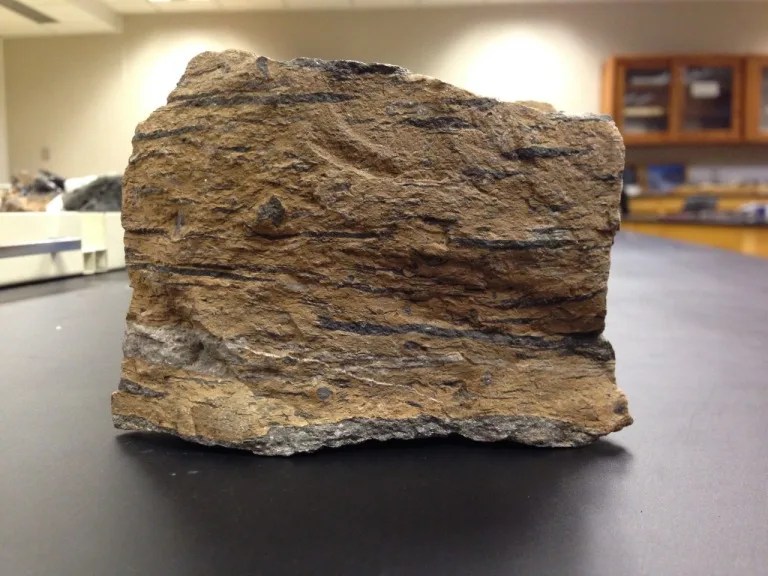
www.mineralienatlas.de Beige Textured Rock Fragment Free Stock Photo
 www.freeimages.com
 Tuffstein
 de.geologyscience.com


0 komentar:
Posting Komentar